
Handling large volumes of blood samples is a routine but highly sensitive task in modern laboratories. Whether it is a hospital lab processing daily patient samples or a research facility running clinical studies, the challenge is the same. Labs need speed, accuracy, and consistency without compromising sample quality.
This is where high capacity centrifuges become essential. They are designed to manage bulk processing of blood tubes efficiently while maintaining separation quality and sample integrity.
Read on to explore how labs actually manage this process in real conditions.
Why Bulk Blood Processing Needs Specialized Equipment
When blood samples arrive in large numbers, they cannot be processed one by one. That would slow down diagnostics and delay critical results. Instead, labs rely on centrifugation systems that can handle multiple tubes at once.
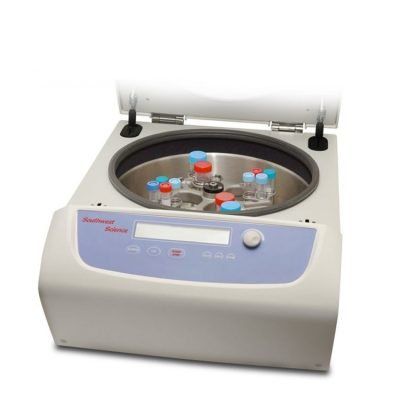
A high capacity blood tube centrifuge helps separate blood components like plasma, serum, and cells in a controlled environment. This separation is essential for testing in hematology, biochemistry, and infectious disease analysis.
Without proper centrifugation, sample quality can be affected, leading to inaccurate results. That is why consistency in speed, balance, and rotor design matters so much.
How High Capacity Centrifuges Handle Large Sample Loads
A key advantage of modern lab centrifuges is their ability to process multiple blood tubes in a single run. These systems are built with larger rotors and strong motor control to maintain stability even under heavy loads.
In most labs, technicians follow a structured workflow:
● Blood samples are first collected in standardized tubes
● Tubes are balanced and placed in rotor buckets or fixed-angle holders
● The centrifuge is programmed based on required speed and time
● After spinning, samples are carefully removed for further analysis
This process allows labs to handle dozens or even hundreds of samples efficiently in batches.
Role of Rotor Design in Blood Sample Processing
Rotor design plays a major role in how effectively a centrifuge performs. Different rotors are used depending on the type of blood tube and testing requirement.
High capacity systems often support multiple rotor types such as:
● Fixed-angle rotors for faster sedimentation
● Swing bucket rotors for better layer separation
● Adapters for different tube sizes like 15 ml or 50 ml
This flexibility allows labs to process various sample types without changing equipment. It also helps reduce downtime between runs, which is critical in busy diagnostic environments.
Maintaining Sample Integrity During High Volume Runs
One of the biggest concerns in bulk blood processing is maintaining sample quality. When too many samples are processed at once or if balance is not correct, it can affect separation results.
To avoid this, labs follow strict handling practices:
● Tubes are always placed in balanced positions
● Equal weight distribution is maintained across rotor arms
● Speed and time settings are adjusted based on sample type
● Temperature control is used when needed for sensitive samples
These steps ensure that even during high-volume runs, every sample is processed with accuracy.
Efficiency in Modern Laboratory Workflows
Time efficiency is one of the main reasons labs rely on high capacity systems. Instead of running multiple small batches, technicians can process large sets of blood tubes in fewer cycles.
This improves workflow in several ways:
● Faster turnaround time for patient reports
● Reduced manual handling of samples
● Lower risk of labeling or transfer errors
● Better use of technician time and lab space
In busy hospital environments, this efficiency directly supports faster diagnosis and treatment decisions.
Safety and Standardization in Blood Tube Centrifugation
Working with blood samples requires strict safety protocols. High capacity centrifuges are designed with built-in features to support safe operation.
Common safety elements include:
● Secure lid locking systems
● Imbalance detection to stop unsafe runs
● Controlled acceleration and deceleration
● Durable chamber construction for repeated use
Standardization is equally important. Labs often follow fixed protocols for speed (RPM), time, and tube type to ensure results remain consistent across different batches and operators.
Supporting High-Volume Diagnostic Testing
Bulk blood processing is especially important in:
● Hospital emergency departments
● Diagnostic testing laboratories
● Research and clinical trial facilities
● Public health screening programs
During peak testing periods, such as outbreaks or large-scale screenings, labs depend heavily on centrifuges that can handle continuous workloads without overheating or performance drops.
This is where high capacity systems become a core part of laboratory infrastructure rather than just supporting equipment.
Practical Challenges Labs Face
Even with advanced equipment, labs still face operational challenges:
● Managing uneven sample loads during rush hours
● Preventing delays due to rotor switching
● Ensuring proper balancing with large batch sizes
● Training staff for correct centrifuge handling
Addressing these challenges requires not just equipment, but also disciplined workflow planning and trained technicians.
The Bigger Picture in Lab Efficiency
High capacity centrifugation is not just about spinning blood samples. It directly affects how quickly and accurately labs can deliver results. Better separation leads to better data, which ultimately supports better medical decisions.
When labs invest in reliable systems, they reduce rework, improve accuracy, and maintain smoother operations even during high demand.
Summing Up:
Managing bulk blood samples is a structured process built on precision, timing, and equipment capability. High capacity centrifuges help labs process large volumes efficiently while maintaining sample integrity and safety standards. With the right setup, labs can handle demanding workloads without compromising accuracy or speed. In this workflow, a blood tube centrifuge plays a central role in ensuring consistent separation and reliable test results.