
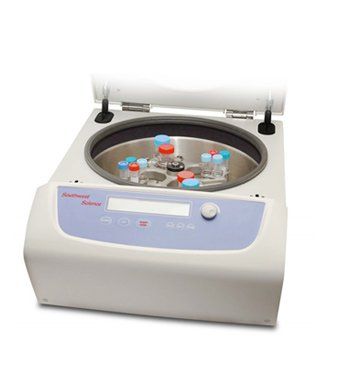
Choosing the right general purpose laboratory centrifuge is not just about picking a machine that spins samples. It is about finding a reliable tool that fits your lab’s daily workflow, supports your applications, and delivers consistent results without unnecessary costs.
If you work in a clinical lab, research facility, or university setting, you already know how important centrifugation is for routine separation tasks. From blood and urine analysis to cell culture work, a general purpose centrifuge plays a central role in keeping processes smooth and efficient.
This blog will outline the key factors you should carefully evaluate before making your decision.
1. Understand Your Daily Applications First
Before looking at specifications, start with your actual lab needs. A general purpose centrifuge is typically used for routine separation based on density. This includes applications like blood sample preparation, urine testing, and basic cell harvesting.
Ask yourself simple questions:
- What types of samples do you process daily
- Are you working mostly with blood tubes, 15ml tubes, or 50ml tubes
- How frequently will the centrifuge be used
A clear understanding of your workflow ensures you do not overpay for features you will not use or miss out on something essential.
2. Tube Compatibility and Capacity Matter
One of the most important aspects of any general purpose laboratory centrifuge is the range of tubes it can handle. In most labs, flexibility is key.
A well-designed general purpose centrifuge should support:
- Blood tubes ranging from 2ml to 10ml
- Standard 15ml centrifuge tubes
- Larger 50ml tubes when needed
Many models offer multiple rotor options, allowing you to switch between different tube sizes depending on your task. This flexibility helps you avoid buying multiple machines for different applications.
If your lab handles varied sample types, choosing a centrifuge with adaptable capacity will save both space and budget.
3. Rotor Options and Their Impact
Rotors are at the heart of centrifuge performance. The two most common types in general purpose centrifuges are fixed angle rotors and swing bucket rotors.
Fixed angle rotors are ideal for faster processing and are commonly used for pelleting applications. They hold tubes at a constant angle, allowing particles to settle quickly.
Voir plusTV et vidéoÉquipement TV et vidéoFilms
Swing bucket rotors, on the other hand, provide a more horizontal separation. This makes them suitable for applications like blood separation, where layered results are important.
A good general purpose centrifuge should give you access to both rotor types or at least offer interchangeable options. This adds versatility and ensures the centrifuge can adapt to different lab requirements.
4. Speed and G-Force Requirements
Not all centrifugation tasks require high speeds. In fact, general purpose centrifuges are typically designed for low to moderate speeds, which are perfect for routine lab work.
Still, it is important to check:
- Maximum RPM (revolutions per minute)
- Relative centrifugal force (RCF or g-force)
Different applications need different force levels. For example, separating blood components requires a specific range, while cell harvesting may need slightly higher force.
Choosing a centrifuge with adjustable speed and accurate control ensures consistent and reliable results across different tasks.
5. Refrigerated vs Non-Refrigerated Models
Temperature control can be a deciding factor depending on your applications. Some samples are sensitive to heat generated during spinning, especially when the centrifuge runs for longer periods.
Refrigerated general purpose centrifuges help maintain a stable temperature, protecting sample integrity. They are particularly useful for biological and cell-based work.
Non-refrigerated models, however, are often sufficient for routine tasks like standard blood or urine analysis. They are also more cost-effective and easier to maintain.
The right choice depends on how sensitive your samples are and how frequently you run high-speed or long-duration cycles.
6. Ease of Use and Workflow Efficiency
A centrifuge should make your work easier, not more complicated. Look for features that improve usability:
- Simple control panels
- Clear digital displays
- Easy rotor installation
- Quick lid locking mechanisms
In busy labs, time matters. A user-friendly general purpose laboratory centrifuge reduces training time and minimizes the risk of operational errors.
Also, consider how quickly you can switch between different rotors or tube types. Smooth transitions can significantly improve workflow efficiency.
7. Safety Features You Should Not Ignore
Safety is critical in any laboratory setting. A centrifuge must include basic and advanced safety features to protect both the user and the samples.
Important features include:
- Lid lock systems that prevent opening during operation
- Imbalance detection to stop the machine if loads are uneven
- Automatic shut-off in case of errors
These features are not optional. They are essential for maintaining a safe working environment and preventing damage to valuable samples.
8. Build Quality and Reliability
A centrifuge is a long-term investment. You want equipment that performs consistently over time without frequent breakdowns.
Look for machines built with high-quality materials and manufactured under strict standards such as ISO and GMP environments. Strong build quality ensures durability, while precise engineering improves performance accuracy.
Voir plusTV et vidéoFilmsÉquipement TV et vidéo
Reliability becomes even more important in labs that run multiple cycles daily. Downtime can disrupt workflows and delay critical results.
9. Cost vs Long-Term Value
While price is always a factor, it should not be the only one. A lower upfront cost may lead to higher maintenance expenses or limited functionality later.
Instead, focus on value:
- Does the centrifuge meet your current and future needs
- Can it handle different applications without upgrades
- Is it built to last
A well-designed general purpose centrifuge should offer a balance between affordability and performance. Investing in the right model from the start saves money in the long run.
10. Compatibility with Accessories and Adaptability
Modern labs often require flexibility. A centrifuge that supports different accessories such as adapters for various tube sizes adds convenience.
For example, the ability to use adapters for 15ml and 50ml tubes in the same setup can simplify operations. It reduces the need for multiple devices and keeps your workspace organized.
Voir plusFilmsÉquipement TV et vidéoTV et vidéo
Adaptability ensures your centrifuge continues to meet your needs even as your lab processes evolve.
Wrapping Up:
At Southwest Science, we understand that choosing the right general purpose laboratory centrifuge directly impacts your lab’s efficiency and accuracy. We design and manufacture equipment based on real lab needs, not just technical specifications.
Our focus is on smart design, controlled manufacturing, and strict quality standards to deliver centrifuges that perform reliably across everyday applications. Whether you are working with blood tubes, 15ml samples, or larger volumes, our solutions are built for consistent results.
We believe you should not have to choose between quality and cost. Explore our range today and find a general purpose centrifuge that truly fits your workflow. Connect with us to get started.
--------------------------------------------------------------------------------------------------------------------------
FAQs
1. What is a general purpose laboratory centrifuge used for?
A general purpose laboratory centrifuge is used to separate samples like blood, urine, or cells by spinning them, helping labs get clear layers for testing and analysis.
2. How do I choose the right general purpose centrifuge for my lab?
Choose a general purpose centrifuge by checking your sample types, tube sizes, speed needs, and whether you need cooling, so it fits your daily lab work.
3. What tube sizes can a general purpose centrifuge handle?
A general purpose centrifuge can usually handle blood tubes from 2ml to 10ml, plus 15ml and sometimes 50ml tubes, depending on rotor type and adapters used.
4. Do I need a refrigerated general purpose centrifuge?
You need a refrigerated general purpose centrifuge if your samples are sensitive to heat or require stable temperatures, especially during longer spins or biological sample processing.
5. What is the difference between fixed angle and swing bucket rotors?
Fixed angle rotors spin samples faster for quick separation, while swing bucket rotors hold tubes upright, helping create clear layers, especially useful for blood sample processing.