
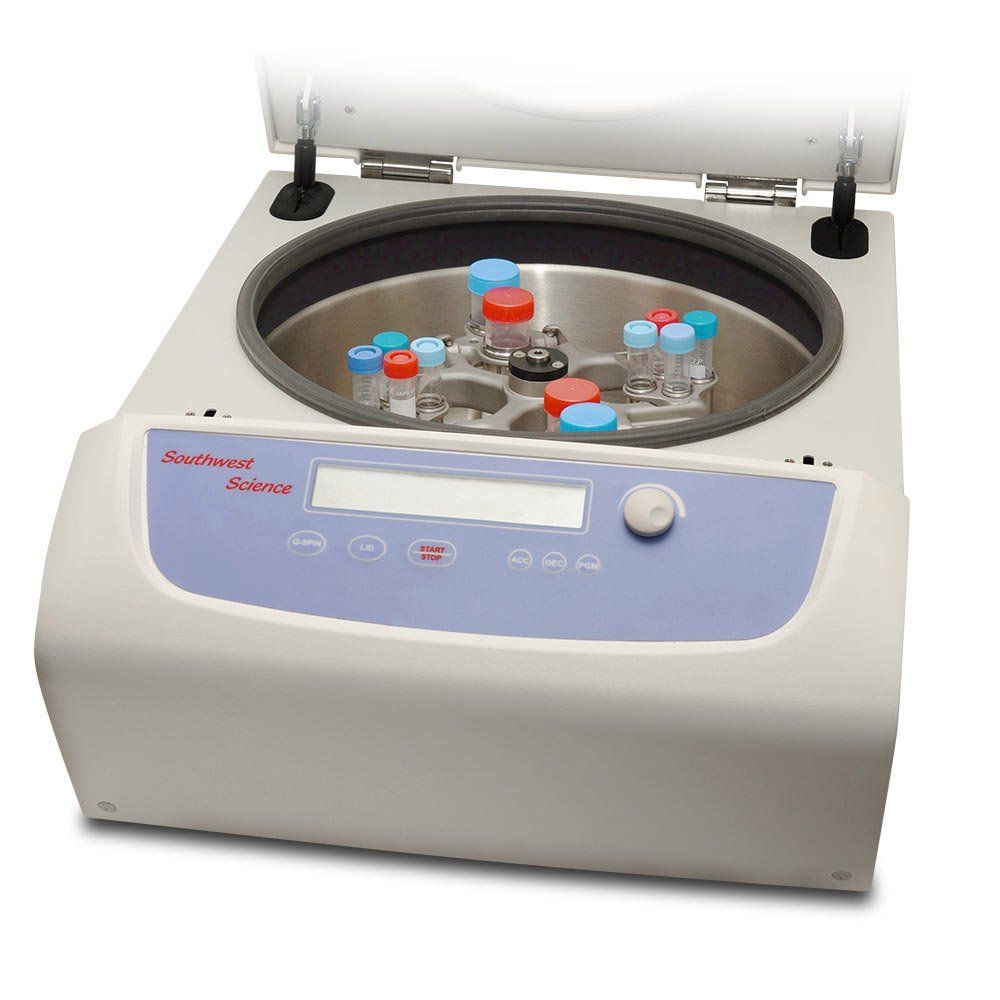
In modern laboratories, efficiency and speed are key. When labs process dozens or even hundreds of samples daily, equipment that can keep up with the pace is essential. This is where a multi-rotor laboratory centrifuge becomes a game-changer. Designed to handle multiple samples simultaneously, it ensures that high-throughput testing is not just possible but smooth and reliable.
What Is a Multi-Rotor Laboratory Centrifuge?
A multi-rotor laboratory centrifuge is a device that separates components in a liquid sample by spinning them at high speeds. Unlike standard centrifuges, these models come with multiple rotor options, allowing labs to process various tube sizes or plates at the same time. This flexibility makes them ideal for labs with diverse sample types.
Key benefits include:
● Ability to handle different tube types and sizes
● Faster sample processing without compromising quality
● Greater capacity, which is perfect for busy laboratories
By using multiple rotors, labs can significantly cut down processing times. For example, instead of running multiple cycles for different tube sizes, technicians can place all samples in a single run, saving both time and energy.
Why High-Throughput Testing Demands a Multi-Rotor Centrifuge
High-throughput testing has become increasingly important in many fields, from clinical diagnostics to pharmaceutical research. When labs deal with hundreds of samples each day, manual handling becomes inefficient and prone to errors. A multi-rotor laboratory centrifuge addresses these challenges effectively.
Here’s why it matters:
- Time Efficiency: High-speed rotation and multiple rotor options mean samples are processed in minutes rather than hours.
- Consistency: Each sample is treated the same way, reducing variability and ensuring reliable results.
- Safety: Modern centrifuges come with safety features like imbalance detection and lid locking, protecting lab personnel.
- Versatility: Whether working with blood, urine, or chemical solutions, the rotors can accommodate different types of tubes and plates.
For laboratories running daily tests on large sample volumes, having one centrifuge capable of handling multiple runs simultaneously is a huge advantage. It keeps workflows smooth, prevents bottlenecks, and ensures deadlines are met without cutting corners.
Types of Rotors and Their Applications
Multi-rotor centrifuges are equipped with a variety of rotors to suit different sample formats. Understanding these options helps labs maximize efficiency.
1. Fixed-Angle Rotors
These rotors hold tubes at a fixed angle, usually 45 degrees. They are ideal for quick separation of cells, proteins, or nucleic acids. Samples move outward toward the tube walls, forming clear layers quickly.
2. Swinging-Bucket Rotors
These rotors swing out horizontally during rotation. They are particularly useful for density gradient separation and for samples that require gentle handling. Swinging-bucket rotors are common in clinical labs that work with delicate cells.
3. Plate Rotors
Also known as plate centrifuge laboratory rotors, these are designed for microtiter plates or multi-well plates. They are essential for high-throughput screening in molecular biology and pharmaceutical testing. Plate rotors enable simultaneous processing of multiple wells, making them perfect for experiments with hundreds of samples.
4. Universal Rotors
Some centrifuges offer universal rotors that can accept tubes and plates interchangeably. This flexibility is especially helpful in labs with diverse testing needs.
Key Considerations When Choosing a Multi-Rotor Centrifuge
Selecting the right multi rotor laboratory centrifuge is crucial for optimizing lab performance. Here are a few important factors to keep in mind:
● Capacity: Consider how many samples you need to process at once. Higher capacity models reduce the number of runs required.
● Speed and RCF (Relative Centrifugal Force): Ensure the centrifuge can reach speeds suitable for your sample types. Different applications require different forces.
● Rotor Options: Look for models that provide multiple rotor types for flexibility.
● Temperature Control: Some samples require cooling during centrifugation to maintain integrity. Refrigerated centrifuges are essential for sensitive biological samples.
● Ease of Use: User-friendly controls and digital displays save time and reduce operator errors.
● Safety Features: Automatic lid locks, imbalance detection, and emergency stop functions protect both personnel and samples.
Investing time in choosing the right centrifuge ensures long-term efficiency and reliability in your laboratory operations.
Benefits for Modern Laboratories
Implementing a multi-rotor centrifuge in a laboratory environment delivers both immediate and long-term benefits:
● High Productivity: Multiple samples processed simultaneously reduces bottlenecks and accelerates research.
● Reliable Results: Uniform sample treatment reduces variability and enhances confidence in data.
● Cost Efficiency: Fewer runs mean lower energy costs and less wear on equipment.
● Adaptable Workflows: The ability to switch rotors quickly allows labs to handle different types of experiments without buying multiple devices.
● Enhanced Safety: Advanced monitoring features ensure safe operation even at high speeds.
For labs aiming to scale operations or improve throughput without hiring more staff, a multi-rotor centrifuge is indispensable.
Tips for Effective Use
Even the best centrifuge is only as good as how it’s used. Here are a few tips to get the most out of your multi-rotor laboratory centrifuge:
● Balance Your Samples: Always load tubes evenly to avoid imbalance, which can damage the rotor or machine.
● Follow Manufacturer Guidelines: Each centrifuge model has specific limits for speed and capacity. Adhering to them ensures safe operation.
● Regular Maintenance: Clean and inspect the rotors regularly. Lubricate moving parts as recommended to extend the device’s lifespan.
● Proper Training: Ensure all staff are trained in safe loading, operation, and emergency procedures.
● Optimize Workflow: Plan sample batches to make full use of the multi-rotor capacity, especially for plate centrifuge laboratory runs.
By combining these practices with the right equipment, labs can achieve efficient and consistent results while minimizing downtime.
Wrapping Up:
High-throughput testing has become the norm in modern laboratories. With the growing demand for faster, reliable, and versatile testing, a multi-rotor laboratory centrifuge is no longer just an option—it’s a necessity. From handling tubes and microplates to providing consistent, safe, and efficient separation, these centrifuges optimize workflows, save time, and enhance laboratory performance. Choosing the right model, maintaining it properly, and using it effectively ensures that your lab stays ahead in both productivity and quality.